Why Your Favourite Pokie Machine Keeps Disappearing (And What Venues Aren't Telling You)
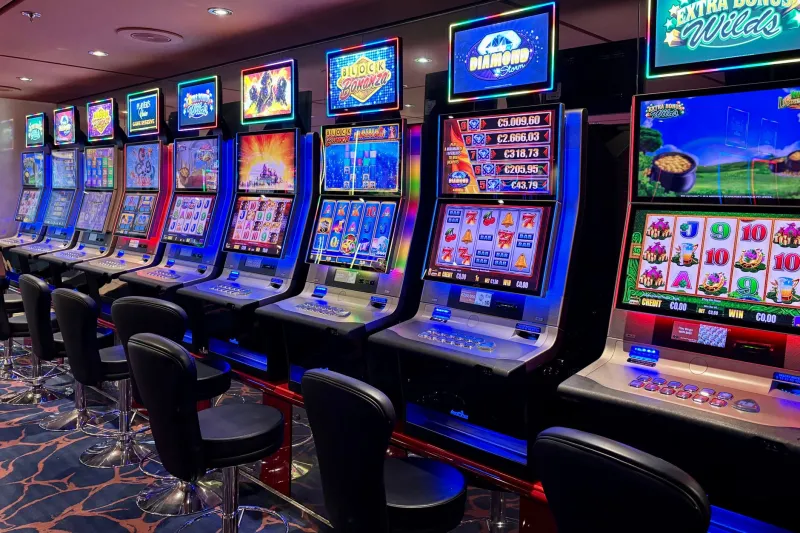
You walk into your regular local on a Friday arvo, grab a cold one, and head straight for that corner machine — the one you swear has been good to you over the years. Except it's gone. In its place sits a shiny new cabinet with flashing lights and a theme you've never heard of. Sound familiar?
Pokie machine rotation is one of the least talked-about aspects of the Australian gambling scene, yet it affects every single punter who walks through a venue door. Operators aren't just swapping machines on a whim — there's a whole layer of strategy, regulation, and cold hard commercial logic driving these decisions. Here's what's actually going on behind the scenes.
The Business Case for Swapping Machines
Let's get one thing straight: venues aren't in the business of sentiment. If a machine isn't pulling its weight financially, it's gone. Operators track the performance of every single cabinet on their floor through sophisticated back-end software that monitors things like average bet size, session length, turnover per hour, and overall hold percentage.
When a machine starts underperforming — meaning punters aren't sitting down for long, or the return to venue drops below expectations — management will often pull it and replace it with something fresher. It's not personal. It's just numbers.
But it's not always about poor performance either. Sometimes venues rotate machines purely to create novelty. A new game generates buzz, brings in curious players, and breaks the monotony for regulars. Think of it like a pub rotating its tap beers — variety keeps people coming back.
Licensing, Quotas, and State-by-State Rules
Australia's pokie regulations are notoriously complex, and they vary significantly from state to territory. In New South Wales, clubs and pubs operate under strict machine quotas, meaning venues can only hold a certain number of approved gaming machines at any given time. Similar frameworks exist in Queensland, Victoria, and South Australia.
When venues want to bring in new titles — say, a freshly released game from a major software provider like Aristocrat or IGT — they often need to retire an existing machine to stay within their approved allocation. This creates a constant cycle of ins and outs that has nothing to do with which machines are "hot" or "cold."
Software updates add another layer of complexity. Modern pokies aren't purely mechanical — they run on certified software that must be approved by state gaming regulators before it can be deployed on a venue floor. When a manufacturer pushes a significant update, venues may need to temporarily pull machines, have them recertified, or replace them entirely with updated versions.
The 'Hot Machine' Myth — Busted (Again)
Here's where things get uncomfortable for anyone who's ever spent twenty minutes stalking a machine because someone just walked away from it mid-bonus. The idea that a machine is "due" for a win, or that certain venues run looser machines, is a persistent myth that the industry has never quite managed to shake.
Every spin on a modern pokie is determined by a Random Number Generator, or RNG. This isn't a marketing claim — it's a regulatory requirement. The RNG produces thousands of outcomes per second, and the result of your spin is locked in the moment you press the button. The machine has absolutely no memory of previous spins, no awareness of how long it's been since the last big payout, and no preference for who's sitting in front of it.
This means that when a venue rotates machines, it doesn't reset some cosmic payout cycle. There is no cycle. The machine that replaced your old favourite isn't primed to pay out simply because it's new, and the one that was carted off wasn't overdue for a jackpot.
Why Venues Sometimes Cluster Specific Games
If you've ever noticed that certain venues seem to carry a different "feel" to their gaming floor — maybe more classic fruit machines, or a heavy lineup of branded titles — that's not accidental. Venue managers often make deliberate decisions about their machine mix based on their customer demographic.
A suburban RSL with an older membership base might lean toward familiar Aristocrat classics like Buffalo or 5 Dragons. A trendier inner-city bar targeting a younger crowd might stock more feature-heavy, visually intense games. Manufacturers actually work closely with venues on this, offering tailored floor consultation services to help operators maximise their return per square metre.
This is also why you'll sometimes find the same game performing wildly differently across two venues. The machine's RTP (Return to Player) is set at the time of installation within a range approved by the regulator, and different venues may configure the same title at different points within that allowable range. So yes — technically, the same game can be set tighter at one venue than another. It's legal, it's common, and most punters have no idea it's happening.
What Savvy Punters Should Actually Pay Attention To
So if you can't chase hot machines or lucky venues, what can you control? Quite a bit, actually.
Understand the RTP range. When a new machine hits the floor at your local, it's worth knowing that most Australian pokies are configured with an RTP somewhere between 85% and 95%. Some jurisdictions publish minimum RTP requirements — Queensland, for instance, mandates a minimum of 85% for all approved machines. If you're playing at a venue that's legally allowed to configure machines at the lower end of that range, you're playing into a steeper house edge.
Watch for floor changes as a signal, not an opportunity. When a venue does a big machine rotation, it's often because they're refreshing their floor strategy — not because they're stocking up on generous cabinets. Don't mistake novelty for generosity.
Stick to a session budget regardless of the machine. This is the single most effective thing any punter can do. The machine rotation doesn't change your odds. Your bankroll management does change your experience.
Ask questions. Some venues are surprisingly forthcoming if you ask staff about new titles — what the game's volatility is like, whether it's a high-frequency small-win machine or a low-hit-rate jackpot chaser. That kind of intel is actually useful.
The Takeaway
Pokie machine rotation is a calculated, commercially driven process that operates largely beneath the notice of most players. Venues are managing floor performance, staying within regulatory limits, responding to manufacturer updates, and catering to demographic preferences — all at once. None of it is designed with your winning streak in mind.
The best thing you can do as a punter is understand that the machine shuffle isn't a signal, a sign, or a strategy worth following. What matters far more is how you manage your own play — your limits, your session length, and your expectations walking in the door.
At CasinoMate AU, we're all about helping Aussie players make smarter decisions on the floor, not chasing ghosts. Know the game, know the rules, and know when to walk away — whether or not your favourite machine is still there waiting for you.