Saturday Night Shuffles: The Rise of Private Gambling Circles and What Every Aussie Should Know Before Joining One

Photo by Photo by Grace Anne Bobadilla on Unsplash on Unsplash
It starts innocently enough. A few mates around the table, a modest buy-in, and some chips that feel more like props than real money. But across Australia, what began as a casual Saturday night tradition is quietly evolving into something more structured — and in some cases, something that carries genuine legal and financial risk.
Private poker nights, friend-group sports betting syndicates, and informal casino-style gatherings are becoming increasingly common, particularly among younger Australians who find licensed venues either too expensive, too regulated, or just a bit soulless. It's a cultural shift worth paying attention to — not to shame anyone for enjoying a game with mates, but because the line between casual fun and problematic territory can blur faster than most people expect.
Why Aussies Are Moving Away from Licensed Venues
To understand the rise of private gambling circles, you have to understand what's pushing people away from the mainstream options.
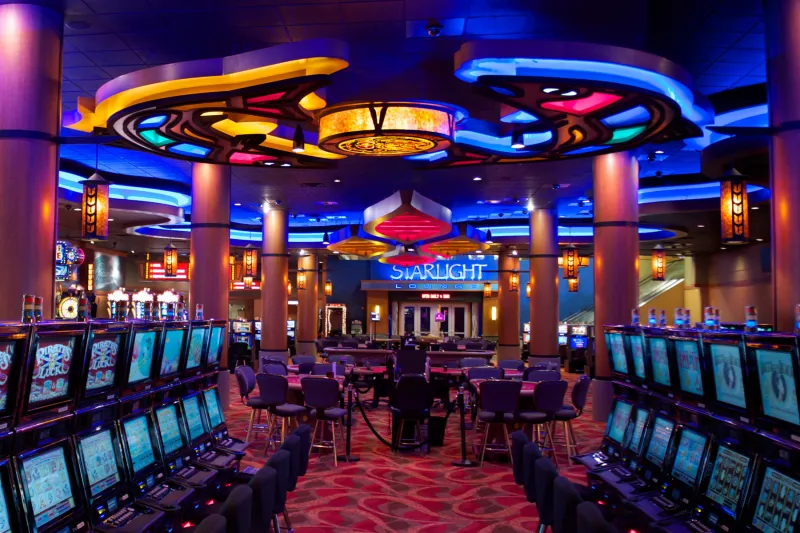
Licensed venues — clubs, pubs, and casinos — come with a particular atmosphere. Pokies banks humming under fluorescent lights, $12 schooners, and the constant background noise of electronic gaming machines. For a generation of Australians who've grown up with the social gambling experience of apps and online platforms, the physical pub environment can feel dated and impersonal.
There's also the cost factor. Entry fees, table minimums, and the general expense of a night out at a licensed venue add up quickly. A private poker night at someone's place means BYO drinks, no entry charge, and stakes you all agree on beforehand.
And then there's the social dimension. Gambling with people you actually know — where the banter is real and the stakes feel personal — is a fundamentally different experience to sitting at a machine or a table surrounded by strangers. For many Aussies, that's genuinely appealing.
What the Law Actually Says About Private Gambling
Here's where things get more complicated, and where a lot of people are operating with incomplete information.
In Australia, gambling laws are managed at the state and territory level, and the rules around private gambling vary significantly depending on where you live. In most jurisdictions, genuinely private gambling among friends — where no one is taking a cut of the pot and no one is running the game as a business — sits in a legal grey area rather than being outright prohibited.
The key word is private. The moment someone starts taking a rake (a percentage of each pot), charging entry fees that go into someone's pocket rather than the prize pool, or regularly hosting games for people they don't know personally, the activity starts to look a lot more like an unlicensed gambling operation. That's where legal exposure becomes real.
Sports betting syndicates add another layer of complexity. Pooling money to place bets through a licensed bookmaker is generally fine. But informal arrangements where one person collects money, places bets in their own name, and distributes winnings can create issues around trust, accountability, and — if things go sideways — recovery of funds.
If you're unsure about the rules in your state, it's worth checking with your state's gaming authority. This isn't meant to be a buzzkill — it's just useful information to have.
The Social Dynamics That Make These Circles Risky
Beyond the legal considerations, there are social dynamics at play in private gambling circles that licensed venues — for all their faults — are actually designed to manage.
When you gamble at a licensed venue, there are built-in limits and safeguards. Staff are trained to identify problem gambling behaviour. Machines have maximum bet limits. Self-exclusion programs exist. None of these exist in your mate's garage.
In a private setting, the social pressure to keep playing, to chase losses, or to increase stakes can be much harder to resist. Nobody wants to be the one who pulls out early and kills the vibe. And when the person losing is someone you know — a friend, a workmate, a family member — the emotional stakes are layered on top of the financial ones in ways that can get genuinely complicated.
There's also the question of what happens when something goes wrong. A dispute over a hand, an allegation of cheating, or a significant loss that someone can't cover — in a licensed venue, there are processes for handling these situations. In a private game, it's just people, and people don't always handle conflict well.
Keeping It Safe If You're Part of an Informal Gambling Community
None of this is an argument for abandoning the Saturday night poker tradition. It's just a case for going in with your eyes open. Here's some practical advice for keeping informal gambling genuinely fun.
Set stakes before you start, and stick to them. Agree on buy-ins and maximum re-buys before anyone sits down. Letting stakes creep upward mid-session is how casual games turn into something more stressful.
Keep it genuinely social. If the game stops feeling fun and starts feeling like something you feel obligated to attend — or can't afford to miss — that's worth paying attention to.
Have a clear kitty arrangement for syndicates. If you're pooling money for sports bets, use a shared digital wallet or spreadsheet so everyone can see exactly what's been contributed and what's been won or lost. Transparency prevents disputes.
Know when to tap out. Set a personal loss limit before you arrive, and treat it as non-negotiable. Having that number in your head before the night starts makes it much easier to act on when the moment comes.
Watch out for the person who's always organising. If someone in your circle seems unusually invested in keeping the game going, escalating stakes, or expanding the group — that's worth noticing. Most of the time it's just enthusiasm. Occasionally it's something else.
The Bigger Picture
Australia has one of the highest rates of gambling participation in the world, and informal social gambling is a genuine part of that culture. The backyard card game, the footy tipping comp, the Melbourne Cup sweep — these are woven into how Australians socialise.
The shift toward more organised private circles isn't necessarily a problem in itself. But it does represent a move away from environments with consumer protections and toward ones without them. For most people, most of the time, that's fine. For some people, in some situations, it isn't.
Knowing the difference — and being honest with yourself about which category you're in — is the most important thing you can do. Play smart, look out for your mates, and make sure the game stays a game.
If you or someone you know is finding it hard to keep gambling in check — whether in a licensed venue or a private setting — the Gambling Help Hotline (1800 858 858) is available 24/7 and completely confidential.