When Your Crew Becomes Your Biggest Liability: The Truth About Gambling Mates and Bad Habits

There's a particular kind of pressure that doesn't come from the pokies machine or the TAB app. It doesn't flash lights at you or play a jingle. It comes from the bloke next to you saying, "Aw, just put another fifty on, it's only money."
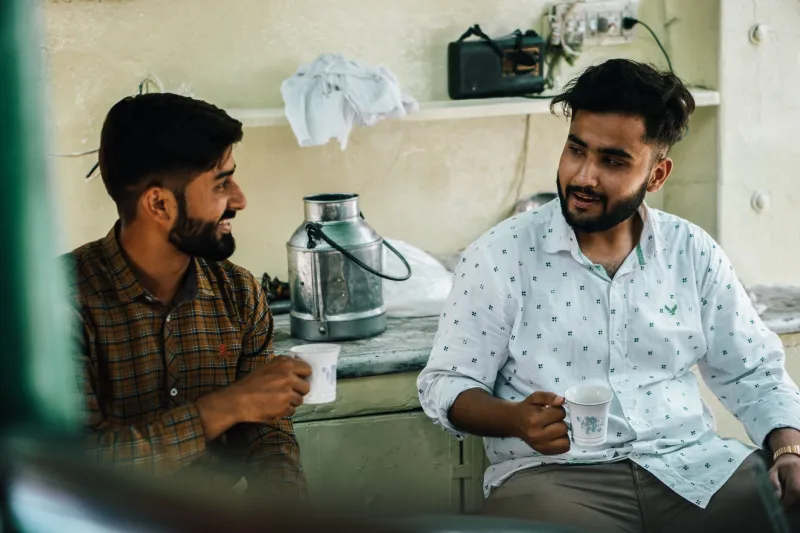
For a lot of Aussie gamblers, the social side of betting is half the appeal. Watching the footy with a few mates and throwing down some bets, doing a Friday arvo pub session on the machines, or being part of a group chat that pings every time someone's got a hot tip — it's fun, it's social, and it feels harmless. Until it doesn't.
The uncomfortable truth is that the people you gamble with can have just as much influence on your losses as the games themselves. And sometimes, the mate who seems like they're just having a laugh with you is actually part of the reason your account keeps hitting zero.
The Hype Man Problem
Every gambling group has one — the hype man. He's the one who cheers the loudest when someone wins and immediately talks about "riding the streak." He's also the one who, when someone loses, says things like "you were so close" or "the next one's definitely yours."
This kind of energy feels supportive, but it's actually feeding into some of the most well-documented psychological traps in gambling — things like the gambler's fallacy (the idea that a win is "due" after a string of losses) and near-miss bias (the belief that almost winning means you're getting closer to the jackpot).
A genuine mate would help you step back and see the pattern. A hype man keeps you in the moment, keeps you spending, and probably doesn't even realise they're doing it.
Social Betting Pressure Is Real — And Aussies Are Especially Vulnerable
Australia has one of the highest gambling participation rates in the world. Betting is woven into the culture in a way that's pretty unique — from the Melbourne Cup to local footy tipping comps to a casual flutter on the pokies after work. That normalisation is part of what makes it so easy to miss when things are tipping over from fun into problematic.
In group settings, there's a well-documented phenomenon called social facilitation — people tend to match the behaviour of those around them, especially when there's a desire to fit in or not be the odd one out. So if your mates are all chasing losses, extending their sessions, or placing bets they'd probably skip if they were alone, you're more likely to do the same. Nobody wants to be the one who calls it quits first.
This isn't weakness. It's just how humans work. But knowing it's happening is the first step to doing something about it.
Warning Signs Your Gambling Friendship Has Gone Sideways
Not every gambling mate is an enabler — most aren't, consciously anyway. But there are some patterns worth paying attention to:
They never acknowledge losses. A mate who celebrates every win but glosses over every loss is reinforcing a skewed picture of what gambling actually looks like. If the conversation is always about the good sessions and never the bad ones, that's worth noticing.
They lend money without question. Seems generous, right? But a mate who keeps topping you up when you've run out of funds isn't helping — they're extending a session that probably should've ended an hour ago.
They mock you for wanting to stop. "Don't be soft" or "we're just getting started" — if pulling back is met with ridicule, that's a red flag. Good mates respect boundaries. Full stop.
Everything revolves around gambling. If the only time you see certain friends is at the pub, the casino, or through a betting app group chat, that's a pretty narrow foundation for a friendship — and it makes it a lot harder to pump the brakes.
They share "winning system" tips constantly. There's no such thing as a guaranteed system, and mates who keep pushing the next hot strategy are — even with the best intentions — keeping you hooked on the idea that you're just one smart bet away from turning it all around.
How to Have the Conversation Without Blowing Up the Friendship
Look, nobody wants to be the guy who shows up to Friday drinks and starts a serious conversation about gambling habits. It's awkward, it can feel preachy, and there's every chance it gets brushed off with a joke. But if you're genuinely worried — about yourself or about a mate — it's worth doing.
A few things that actually help:
Make it about you first. Instead of pointing the finger, start with your own experience. "I've been trying to cut back because I've noticed I'm not making great decisions when we're all going" is a lot easier to hear than "I think you're making me gamble too much."
Pick the right moment. Not mid-session, not when anyone's had a few, and not in front of the whole group. A one-on-one conversation, when things are calm, lands completely differently.
Suggest an alternative, not just a restriction. "Want to do something else on Fridays sometimes?" is way more likely to land than just saying you don't want to gamble anymore. You're not rejecting the friendship — you're reshaping how you spend time together.
Be consistent. One conversation won't fix anything. Setting a personal limit and sticking to it, even when there's pushback, is what actually changes the dynamic over time.
It's Not About Killing the Fun
None of this means you can't enjoy a punt with your mates. Gambling with friends can be a genuinely good time when everyone's on the same page about limits, expectations, and what the session is actually for — a bit of entertainment, not a financial strategy.
The goal isn't to become the fun police. It's to make sure the people you're spending time with are actually good for you, and that you're being a good mate in return. Sometimes the most supportive thing a friend can do is say, "Hey, let's call it here" — and mean it.
If you're finding it hard to set limits in social settings, or you think your gambling habits might be getting away from you, resources like Gambling Help Online (1800 858 858) are free, confidential, and staffed by people who genuinely get it. There's no shame in using them.
Your mates should make your life better. Make sure they're actually doing that.