Two Beers In and the Budget's Gone: How Alcohol Hijacks Your Gambling Brain
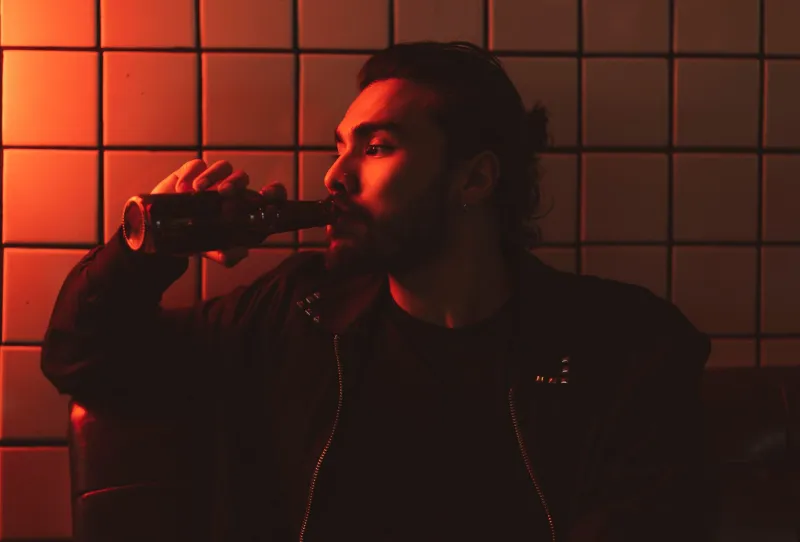
You walked in with a plan. Fifty bucks on the pokies, maybe a quick flutter on the footy, then home before midnight. Solid. Responsible. Textbook.
Then someone shouts a round, the schooners start flowing, and somewhere between the second and third beer, that careful plan starts to feel a bit... uptight. Why stop at fifty? You're having a good time. The machine's been cold all night — it's due, right?
If that sequence sounds familiar, you're not alone. It plays out in pubs and clubs across Australia every single weekend. And it's not just weak willpower. There's some genuinely fascinating — and sobering — science behind why alcohol turns careful punters into reckless ones.
What Alcohol Actually Does to Your Decision-Making
Here's the short version: alcohol is particularly brutal on the prefrontal cortex, the part of your brain that handles impulse control, risk assessment, and long-term thinking. Even moderate drinking — we're talking two to three standard drinks — starts to dull activity in this region. You don't feel stupider. You just feel freer. Less constrained by consequences that, an hour ago, felt pretty important.
At the same time, alcohol boosts dopamine activity in the brain's reward pathways. The same system that makes a win feel great gets artificially amplified. So losses don't sting as much, wins feel even better, and the general buzz of gambling gets louder and more compelling.
The result? You're simultaneously less afraid of losing and more excited by the possibility of winning. That's not a great combination when there's a pokie machine in arm's reach.
Research published in various behavioural economics journals has consistently shown that intoxicated gamblers place larger bets, chase losses more aggressively, and dramatically underestimate how much they've actually spent. In other words, alcohol doesn't just make you a looser gambler — it makes you a worse one.
Why Venues Are in No Hurry to Slow You Down
Let's be honest about something: Australian pubs and clubs that host pokies are not accidentally cheap with their drinks. The relationship between alcohol service and gaming revenue is well understood by venue operators, and it's not a coincidence that many establishments offer discounted drinks, happy hours, or complimentary refreshments in or near their gaming rooms.
A punter who's had a few drinks stays longer, bets more per spin, is less likely to cash out when they're ahead, and is far easier to keep in their seat. That's not cynicism — it's just the business model laid bare.
Some states have introduced regulations around responsible service of alcohol in gaming venues, but enforcement is patchy and the financial incentive for venues to keep drinks flowing remains very real. The onus, unfortunately, tends to land back on the individual player.
The "It's Just One More" Trap
One of the sneakiest things alcohol does in a gambling context is mess with your sense of time and money. Behavioural researchers call this temporal discounting — basically, the tendency to overvalue immediate rewards and undervalue future consequences. Sober, you might weigh up "another $20 on the pokies" against "that's a tank of petrol." A few drinks in, the future tank of petrol feels very abstract, and the next spin feels very now.
Combine that with something called the escalation of commitment — the psychological pull to keep going after you've already invested — and you've got a recipe for blowing well past any budget you set earlier in the night.
Aussie gambling culture also comes with a fair bit of social pressure baked in. When your mates are still at the machines, heading home feels like quitting. The drinks lower your inhibition to push back against that pressure, making it even harder to call it a night.
Practical Ways to Protect Your Wallet When the Beers Are Flowing
None of this means you can't enjoy a drink and a punt. Plenty of people do it responsibly. But it does mean going in with a strategy that accounts for the fact that your future self will be operating with a slightly compromised brain.
Set your limit before you arrive — not when you get there. This sounds obvious, but the key is doing it while you're still sober. Write it down if you have to. Tell a mate. Make it concrete rather than a vague "I'll see how I go."
Leave your cards at home. Bring only the cash you're willing to lose. When it's gone, it's gone. This is genuinely one of the most effective guardrails you can put in place, because it removes the option to make bad decisions with tap-and-go when your judgement is compromised.
Alternate drinks with water. Not exactly revolutionary advice, but it works. Slowing your alcohol intake slows the neurological drift away from sensible decision-making. Venues aren't going to suggest it, so you have to build it into your own routine.
Use the venue's pre-commitment tools. Many Australian gaming venues — and all licensed online casinos — are required to offer deposit or spending limits. Set them before you start, not mid-session. A sober limit can't be talked out of itself by a tipsy version of you at 11pm.
Have an exit trigger. Decide in advance what the signal to leave looks like. Maybe it's when you finish your cash, maybe it's a set time. The point is that the decision gets made now, not later when your prefrontal cortex is running at half capacity.
Knowing the Difference Between Fun and a Problem
For most Aussies, a few drinks and a punt is just a social ritual — nothing more sinister than a night out. But if you're regularly finding that your gambling escalates significantly when you drink, that's worth paying attention to. Alcohol can mask the early warning signs of problem gambling by making every session feel like harmless fun in the moment, even when the bank statement tells a different story.
If you're concerned about how your drinking and gambling habits are interacting, the Gambling Help Hotline (1800 858 858) offers free, confidential support around the clock. It's not just for people in crisis — it's for anyone who wants an honest conversation about where things are heading.
The Bottom Line
Your sober self made a sensible plan. Your drinking self has different priorities. That gap — between the budget you set and the one you actually kept — is where venues make a lot of their money.
Knowing what's happening in your brain when the rounds start flowing doesn't make you immune to it, but it does give you a fighting chance. The goal isn't to stop having fun. It's to make sure the fun doesn't follow you home in the form of a hangover and an empty wallet.