The Casino Floor Is a Maze Built Against You: Here's How to Read It
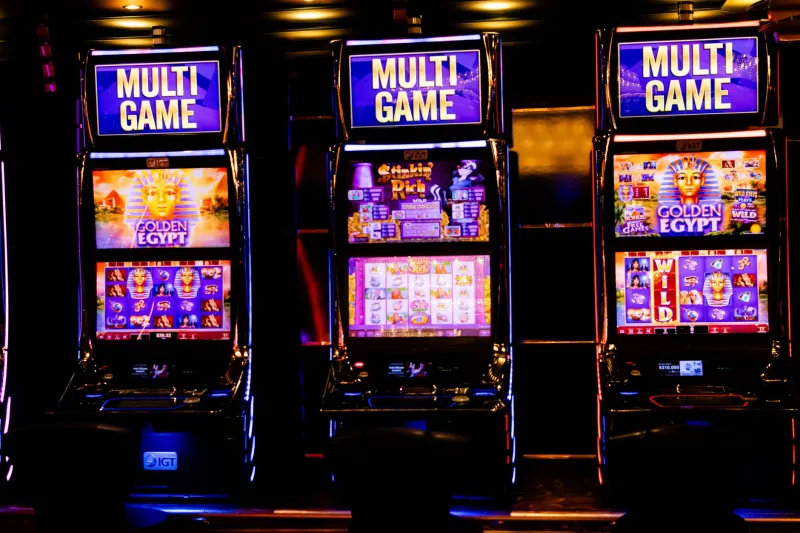
Next time you walk into your local pokies venue or a major Australian casino, stop just inside the entrance and look around. Really look.
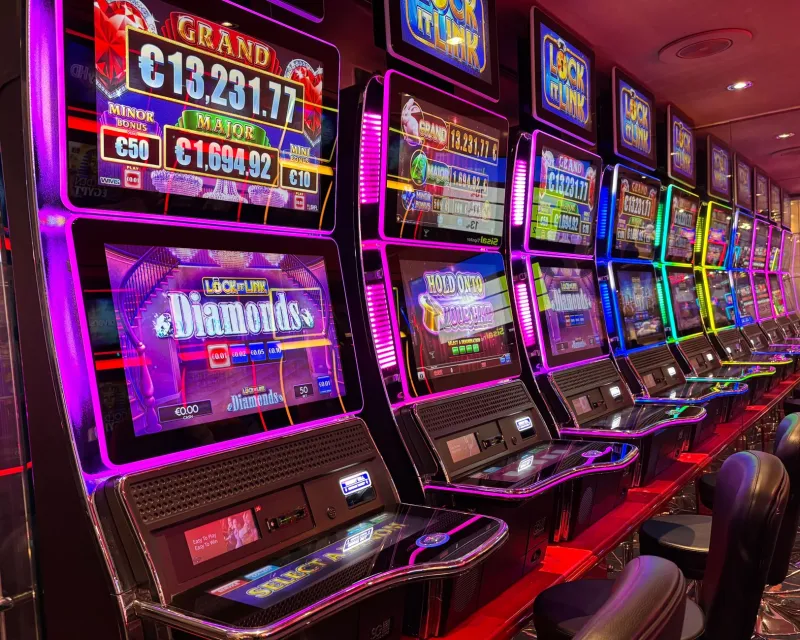
Notice how the exit signs seem slightly hard to find. Notice how the cashier is never quite where you'd expect it to be. Notice how the highest-denomination machines — the ones with the biggest flashing displays and the most elaborate sound design — tend to cluster near the spots where foot traffic naturally slows and pools.
None of that is accidental. Every square metre of a commercial gaming floor has been optimised with one goal: keeping you inside, engaged, and spending. Understanding the playbook doesn't guarantee you'll win, but it does mean you stop being a passive participant in someone else's carefully designed system.
The Architecture of Disorientation
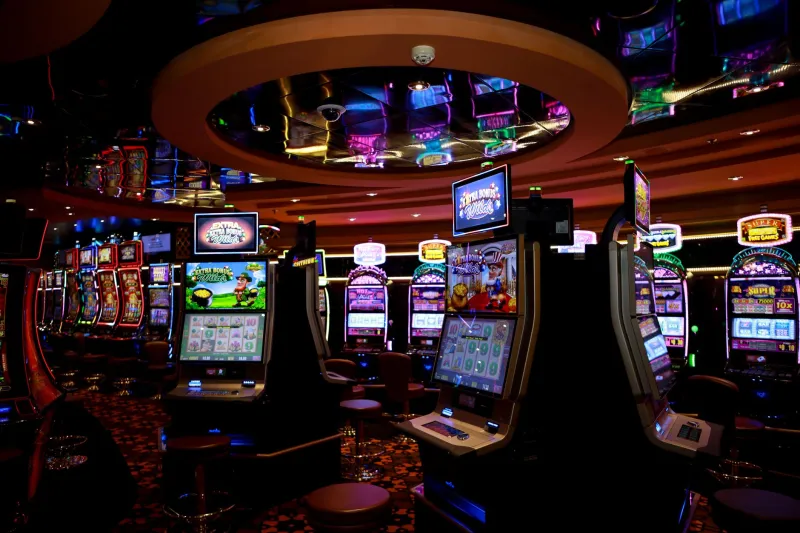
Casino design as a deliberate discipline traces back to the work of American architect Bill Friedman, who spent decades studying gaming floors and concluded that the most profitable layouts were those that created a sense of intimate enclosure, made it difficult to navigate quickly through the space, and positioned machines so that players were constantly surrounded by active play.
Friedman's principles — low ceilings in gaming areas, winding pathways that prevent straight-line movement, absence of clocks and natural light — became the template for commercial gaming venues globally. Australian casinos adopted and adapted these principles enthusiastically.
The result is a spatial experience that is, at a neurological level, mildly disorienting. You lose track of time easily. You lose your sense of direction. You lose the mental anchoring that helps you make clear decisions in ordinary environments. That's not a side effect — it's the point.
How Venues Use Foot Traffic Data to Position Machines
Modern gaming venues don't just guess where to put their machines. They measure. Heat mapping technology, entry and exit data, and electronic monitoring of individual machine engagement rates give venue operators a granular picture of how players move through the space and where attention is highest.
This data gets used in a few specific ways that are worth understanding.
High-traffic corridors get low-denomination machines. This seems counterintuitive — shouldn't the best real estate go to the highest earners? But venues have learned that placing accessible, low-stakes machines in natural pathways catches casual players who might otherwise walk straight through. You weren't planning to play tonight, but there's a machine right there, and it's only $1 a spin...
Dead zones get turned into destinations. Areas of the floor that naturally receive less foot traffic are transformed through machine clustering, enhanced lighting, and thematic design elements. The goal is to make the back corner of the venue feel like a deliberate destination rather than an afterthought.
Near-miss machines get prominent placement. Machines configured to produce frequent near-miss outcomes — those infuriating two-out-of-three line-ups — are often positioned in high-visibility locations. Near misses provoke continued play more reliably than actual wins, and venues know this.
The Path to the Cashier Is Never Straight
One of the most consistent features of gaming venue layout — whether you're at The Star in Sydney, Crown in Melbourne, or a mid-sized Queensland RSL — is that the cashier or ATM is never conveniently located near the entrance.
This is deliberate. The journey to get more money requires you to walk through the gaming floor, past machines you haven't played yet, past players who are winning, past all the environmental cues that encourage continued engagement. By the time you reach the ATM, the venue has had another few minutes to work on your resolve.
Similarly, exits are rarely obvious. The classic Friedman-era approach was to make exits feel almost hidden — not locked or blocked, but not prominent either. Contemporary Australian venues have had to moderate this somewhat due to safety regulations, but the principle persists in subtler forms: exits positioned at the back of the venue, exit signage that's technically compliant but not exactly eye-catching.
Reading the Room: What Savvy Punters Actually Notice
Once you start looking at a gaming floor as a designed environment rather than a neutral space, certain patterns become visible that are genuinely useful.
The welcome cluster. Almost every venue has a cluster of machines near the entrance that are slightly more generous — in terms of visual feedback, sound design, and sometimes actual payout frequency — than the machines deeper in the venue. The goal is to create a positive first impression that draws players further in. Playing these machines isn't necessarily a winning strategy, but understanding why they're there changes how you experience them.
The premium zone. In larger venues, there's typically a defined area — often elevated, carpeted differently, or separated by a low partition — where the highest-denomination machines live. This zone is designed to feel exclusive and aspirational. Players who wander in often find themselves spending at a level they hadn't planned simply because the environment signals that this is the kind of place where serious players operate.
The social cluster design. Pokies banks arranged in curves or semicircles rather than straight rows create a subtle sense of social engagement. You can see other players' screens, hear their wins, and feel part of a shared activity. This is intentional — social proof operates powerfully in these configurations, and isolation (which might prompt reflection and restraint) is architecturally discouraged.
Practical Ways to Push Back Against the Design
Knowing all this is only useful if it changes something about how you move through these spaces. A few approaches that experienced players use:
Plan your entry point and your route. Before you walk in, decide which machines or areas you're heading to and go there directly. Wandering is how the floor design does its best work on you.
Locate the exits first. Sounds paranoid, but knowing where the exits are before you sit down means leaving is a deliberate, easy action rather than something that requires effort and navigation.
Treat the ATM location as a cooling-off buffer. The walk to the cashier can be a genuine pause point. Use it as one. If you're heading to the ATM for a second withdrawal, that walk is your opportunity to decide whether you actually want to keep playing — not just whether you have the money to.
Notice when you've lost track of time. The absence of clocks and natural light is the oldest trick in the book. Checking your phone for the time once every 45 minutes is a simple habit that keeps you connected to reality in an environment specifically designed to disconnect you from it.
The Floor Doesn't Have to Win
None of this is a conspiracy theory. Gaming venues are legal businesses operating within Australian regulatory frameworks, and understanding their design principles doesn't require assuming bad faith. It simply requires recognising that the environment you're playing in has been optimised for their outcomes, not yours.
A player who understands the layout, moves through it deliberately, and maintains their own internal sense of time and budget is operating on fundamentally different terms than one who wanders in and lets the space carry them along. The house edge on the machines themselves is fixed and unavoidable. The environmental edge is something you can actually push back against — and that's worth knowing.