Fresh Machines, Same House Edge: The Truth Behind Your Local Venue's Pokie Makeovers
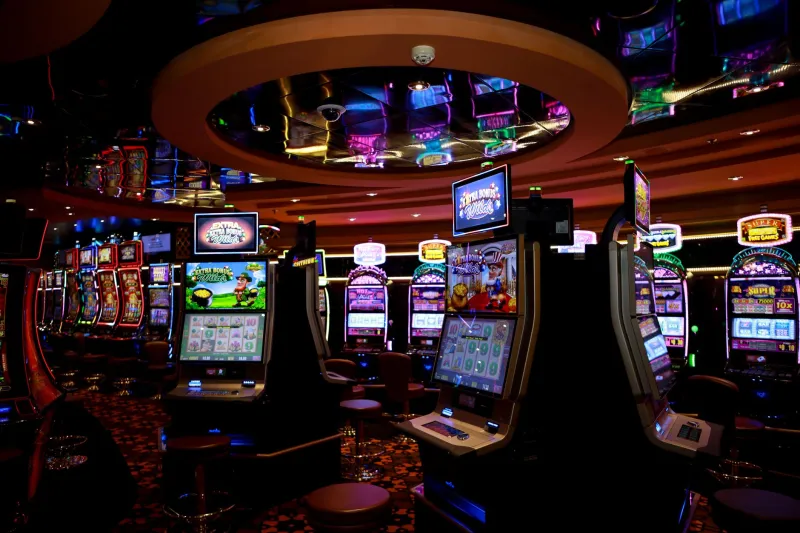
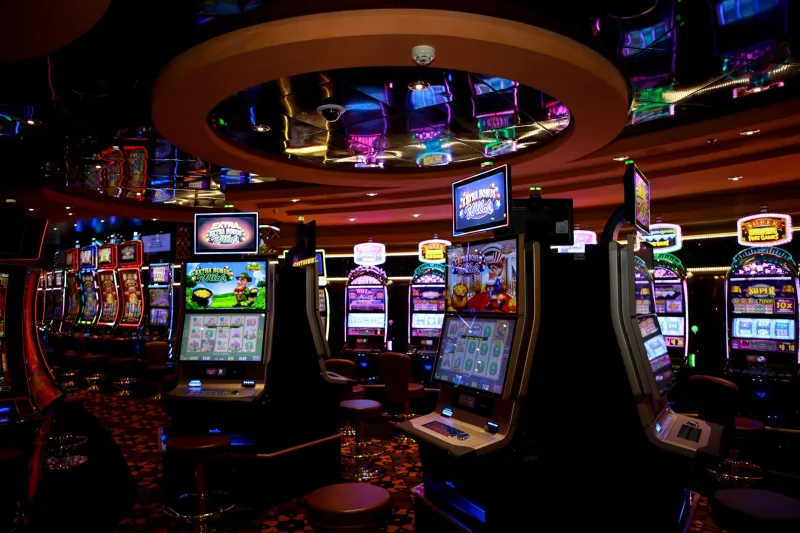
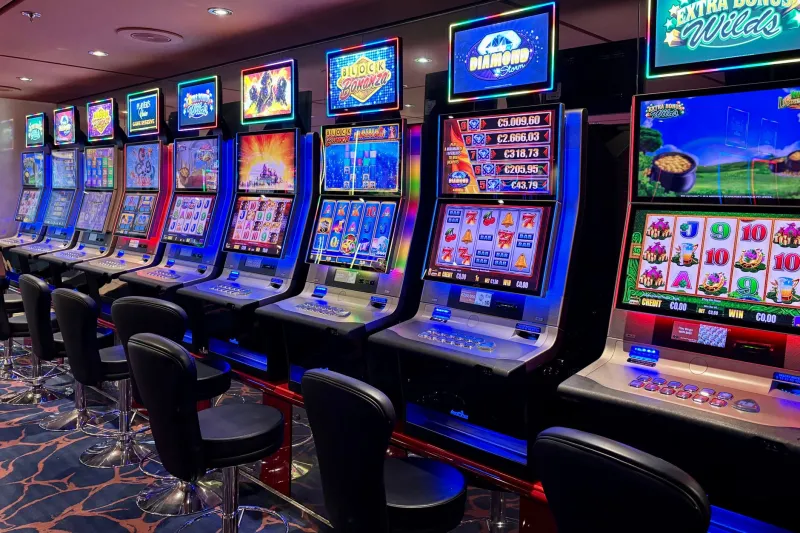
Walk into your regular RSL or suburban pub on any given month and there's a decent chance something looks different in the gaming room. Maybe a couple of familiar old machines have been wheeled out and replaced with something flashier — bigger screens, louder sound effects, a brand-new theme tied to a movie franchise or a celebrity chef of all things. Venues love the refresh. Players notice the refresh. But here's the thing nobody's putting on a sign above the new machine: a fresh cabinet doesn't mean a friendlier payout.
So why do venues keep doing it? And more importantly, should you care which machine you sit down at?
Why Venues Are Always Rotating the Lineup
Pub and club operators aren't swapping machines out of generosity. It's a calculated business move, and it works on a few different levels.
First, there's novelty psychology. Research into player behaviour consistently shows that unfamiliar games attract more session starts. When a regular punter spots something they haven't seen before, curiosity kicks in. They sit down, they explore the features, they stay longer. That extended engagement is exactly what a venue is chasing — more time on the machine equals more revenue, full stop.
Second, venues are locked into commercial relationships with gaming machine manufacturers like Aristocrat, IGT, and Konami. These companies roll out new titles regularly, and venues often lease machines rather than purchasing them outright. Rotating stock keeps those leasing arrangements active and gives operators access to the latest content without a massive upfront capital hit.
Third — and this one's subtle — replacing machines resets the mental associations players have with specific games. If a particular machine has developed a reputation among regulars as a "cold" machine that never pays, swapping it out wipes that slate clean. A new cabinet in the same spot is psychologically a fresh start, even if the underlying maths haven't shifted at all.
The RTP Reality Check
Here's where it gets important for anyone who actually cares about their money. Return to Player (RTP) percentages in Australian venues are regulated by state and territory gaming authorities, but the allowable range is surprisingly wide. In New South Wales, for example, machines must return a minimum of 85% to players over their lifetime. In Queensland, the floor sits at 85% too. Victoria is similar.
The catch? "Lifetime" is doing a lot of heavy lifting in that sentence. A machine's theoretical RTP plays out over millions of spins. In any individual session — or even across dozens of sessions — you could be sitting well above or well below that average. The number is a long-run mathematical certainty, not a promise about your Tuesday afternoon.
When a venue installs a new machine, the RTP is set during configuration, usually somewhere between that regulatory floor and around 92% for most standard pokies. Venues don't typically advertise what they've chosen, and they're not required to. So that gleaming new cabinet could be configured at the bottom of the legal range, and you'd have no way of knowing just by looking at it.
Cosmetic Upgrades vs Genuine Improvements
Not every new machine is equal, and experienced players know there's a real difference between a cosmetic upgrade and a mechanically different game.
A cosmetic upgrade is basically a reskin. Same base game, same reel structure, same volatility profile — just wrapped in a new theme with a different soundtrack and some animated bonus sequences that feel more cinematic. These are extremely common because they're cheap to produce and easy to license. Studios slap a popular IP on an existing game engine and call it new. Players get excited. Venues get fresh content. The maths stays identical.
A genuine mechanical update is rarer and more meaningful. This might involve a new reel layout (think the shift from traditional five-reel setups to cluster pays or megaways-style mechanics), a restructured bonus feature that changes volatility, or a new jackpot configuration. These changes can genuinely affect how a game plays — how often it pays out small amounts versus how infrequently it delivers a big hit.
The practical question is: how do you tell the difference without a mathematics degree? A few signals to watch for:
- Volatility indicators: High volatility machines tend to have larger maximum win amounts advertised on the help screens, but longer dry spells between wins. Lower volatility games pay more frequently but in smaller amounts. Check the help menu before you commit.
- Bonus trigger frequency: A game that advertises a feature that triggers "frequently" versus one that promises a massive jackpot is communicating something real about its payout structure, even if indirectly.
- Manufacturer reputation: Some manufacturers are known for configuring games at more player-friendly RTP settings. Aristocrat's Lightning Link series, for instance, has a dedicated following partly because of how its jackpot mechanics feel to players over time. That reputation exists for a reason.
The Loyalty Trap Hidden in New Releases
Venues have another trick up their sleeve when they bring in new machines: tying them into loyalty programs. Some clubs will offer bonus points or extra entries into member draws specifically for trying new games during a launch period. It sounds like a reward, but it's really a traffic-driving strategy to get eyeballs on machines that haven't yet built a regular player base.
There's nothing wrong with collecting those loyalty points — just go in with clear eyes about what's actually happening. The venue wants data on how new machines perform and wants to seed the habit of playing them. Your points are the cost of acquiring that data from you.
What a Smart Punter Actually Does
None of this means you should ignore new machines or stick stubbornly to the same old games out of principle. New releases can be genuinely entertaining, and some do come with improved features. The key is approaching them with the same discipline you'd apply anywhere else.
Set a session budget before you sit down — this applies whether the machine is six months old or six days old. If a new game's volatility doesn't suit how you like to play (say, you prefer regular small wins over chasing a jackpot), move on regardless of how flashy the cabinet looks.
If you're curious about a specific machine's RTP, it's worth asking venue staff. They may not know off the top of their heads, but they can often find out from the machine's help documentation or check with their gaming manager. You have every right to ask.
And remember: the house edge doesn't take a holiday just because the cabinet is new. A fresh lick of paint on a pokie machine is exactly that — cosmetic. The mathematics underneath are as old and reliable (for the venue) as ever.
The Bottom Line
Aussie venues are smart operators. The constant churn of new machines keeps the gaming room feeling dynamic and gives regulars a reason to keep coming back to explore. There's nothing inherently sinister about it — it's just business.
But as a player, understanding why that churn happens puts you in a stronger position. You can appreciate a new game for what it is — entertainment, with a built-in house advantage — without falling for the illusion that newer automatically means better odds. Because it doesn't. The machines get shinier. The maths stays the same.