Regular or Rover: Is Sticking to Your Local Venue Actually Worth It for Aussie Gamblers?
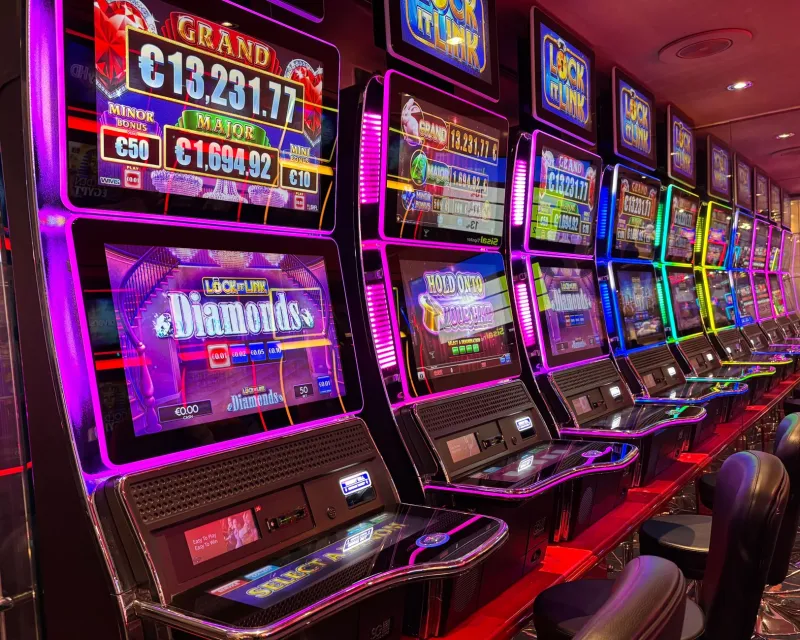
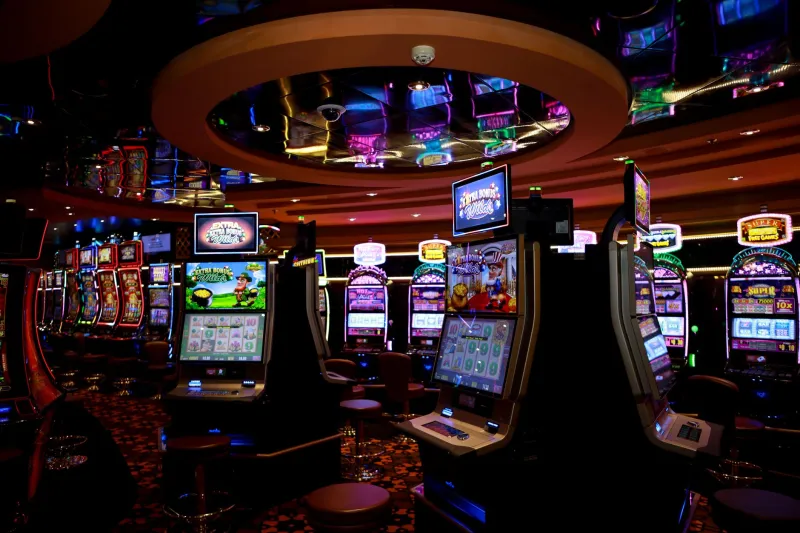
There's a certain kind of Aussie gambler who has their venue. Their pub, their club, their machines. They know which corner of the gaming room has the best light, which staff member always does a solid pour, and roughly what time the pokies tend to clear out on a Saturday night. It's comfortable. It's familiar. It feels like home turf.
But here's the question nobody really asks: does being a regular actually give you any kind of edge? Or is that sense of belonging just a very effective way of keeping you tethered to one venue's particular set of margins?
Let's pull it apart honestly.
What You Actually Get as a Regular
Being a known face at a venue does come with some genuine perks, and it'd be unfair not to acknowledge them.
On the service side, regulars often get faster attention, more attentive floor staff, and occasionally the kind of informal hospitality — a complimentary snack, a drink acknowledgement — that doesn't show up on any loyalty program statement. That's real, even if it's modest.
More formally, most venues with gaming floors run some kind of rewards or membership program. The longer you play at one venue and the more consistently you run your card through the machine, the more points you accumulate. Depending on the venue, those points can convert to dining credits, free play vouchers, or entry into member draws. For genuinely regular players who were going to be gambling anyway, that's not nothing.
And there's a comfort factor that has some legitimate strategic value. Knowing a venue's layout, understanding which machines are newer versus older, and having a read on the general atmosphere can help you make more deliberate choices rather than wandering around overwhelmed in an unfamiliar space.
Where Venue Loyalty Starts Working Against You
Here's where it gets more complicated.
Return-to-player (RTP) rates on pokies vary between venues — and in some cases, the variation is meaningful. Under Australian state regulations, venues set their own RTP configurations within the allowable range for their jurisdiction. A machine at your regular pub might be configured at the lower end of that range, while a larger licensed club across town runs machines at a higher setting to attract volume.
You almost certainly don't know which situation you're in. And because you've never played anywhere else, you have no comparison point. The loyalty you feel toward your local spot might be costing you a percentage point or two on every session without you ever realising it.
Beyond RTP, there's the question of machine variety. Venues that attract regulars tend to refresh their floor less aggressively — why fix what isn't broken? Meanwhile, larger venues competing for a broader player base rotate titles more frequently, bring in newer games with more current bonus structures, and generally offer a more varied experience. If you've been playing the same handful of titles for two years because they're your machines, you might be missing out on better options elsewhere.
The Psychology of Place Attachment
There's a well-documented psychological phenomenon called place attachment — the emotional bond people form with specific physical environments. It's the reason people drive past their childhood home for no practical reason, or insist on sitting in the same seat at a footy ground. Casinos and gaming venues are very good at fostering this feeling, whether deliberately or not.
Familiar sights, sounds, and routines create a sense of safety and predictability that can quietly lower your guard. When you're in an environment that feels like yours, you're less likely to make cold, analytical decisions and more likely to fall back on habit. That's not inherently bad — but in a gambling context, habit and comfort can translate to longer sessions, looser budget discipline, and a reluctance to walk away because leaving feels wrong here.
The regulars who get the most out of their favourite venue are the ones who remain genuinely deliberate about their play despite the comfort. That's harder than it sounds.
When Loyalty Programs Are Actually Worth It
Let's be direct: loyalty programs at Aussie gaming venues are designed primarily to increase your visit frequency and session length, not to reward you for something you were already going to do. That's the honest commercial reality.
That said, they're not entirely without value if you approach them correctly. The players who get the best return from these programs are those who:
- Were already going to play at that volume regardless. If you'd visit twice a month anyway, collecting points on those visits costs you nothing extra.
- Actually redeem their points regularly. Unredeemed points are pure profit for the venue. Set a reminder to check your balance and use credits before they expire.
- Don't increase their play just to hit tier thresholds. The moment you're gambling more than you intended in order to reach the next reward level, the program has cost you money, not saved it.
The Case for Occasionally Shopping Around
This isn't an argument for never having a regular spot. It's an argument for occasionally testing your assumptions about it.
Every six months or so, try a session at a different venue — a larger club, a different pub in the next suburb, or a licensed casino if you're near one. Notice the machine variety. Notice the atmosphere. Notice whether the experience feels different in ways that matter to you. You might come back to your regular spot confirmed in your loyalty, or you might discover somewhere that suits your style better.
At a minimum, doing some basic research on the gaming floor configurations at venues in your area is worth the effort. Your state's gaming regulator publishes information on approved RTP ranges, and some venues voluntarily disclose their settings. It's not the most exciting homework, but it's the kind of thing that can shift your long-term outcomes.
So — Regular or Rover?
The honest answer is: a bit of both, with intention.
Having a preferred venue isn't a problem. Enjoying the familiarity, the service, and the loyalty perks is completely reasonable. But letting that preference become an unexamined default — where you return not because it's genuinely the best option but simply because it's what you always do — is where venue loyalty stops being a choice and starts being a leash.
Know why you go where you go. And every now and then, give yourself permission to wander.