Picking Up the Pieces: A Real Aussie Guide to Bouncing Back After a Serious Gambling Loss
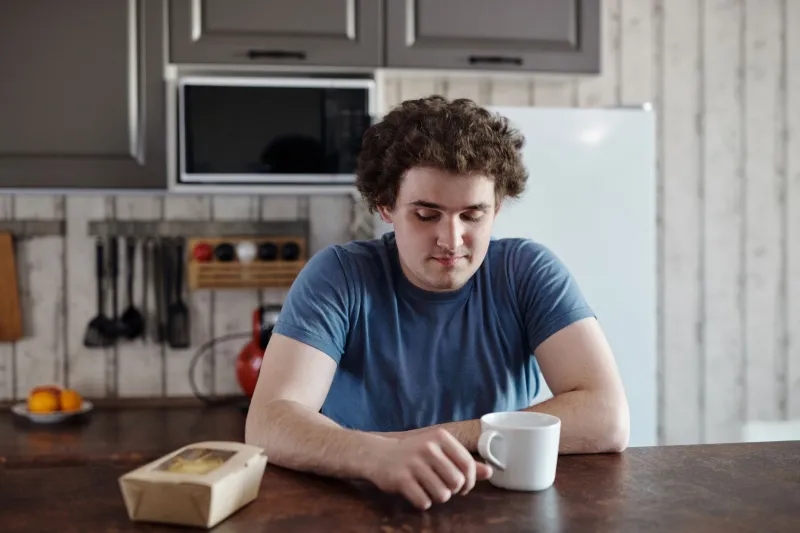
It's a feeling most punters know but few talk about openly. You wake up the morning after a session that got away from you — maybe it was the pokies, maybe it was a sports accumulator that collapsed in the final quarter — and before you've even made a coffee, the dread hits. You check your bank account, confirm what you already suspect, and the day suddenly feels very heavy.
Shame, anger, regret. The urge to chase it back. The desperate logic that tells you one more session could undo the damage.
That logic is a trap, and most Aussies who've been through a serious loss know it — eventually. The question is: what do you actually do in the hours, days, and weeks that follow to stop a bad night from becoming a bad year?
This isn't about lecturing. It's about being straight with you, the way a good mate would be.
First Things First: Don't Make Any Gambling Decisions in the Aftermath
The 24 to 48 hours after a significant loss are genuinely the worst time to make any gambling-related choices. Your brain is flooded with cortisol and the emotional reasoning centres are working overtime. The pull to chase — to "fix" the loss by winning it back — is not a character flaw. It's a predictable psychological response that researchers call "loss-chasing," and it's one of the most well-documented patterns in gambling behaviour.
The single most useful thing you can do immediately is put physical and digital distance between yourself and any gambling option. Log out of apps, hand your card to a trusted person if you need to, or use a tool like Gamban or BetStop to create a technical barrier. These aren't dramatic gestures — they're practical circuit-breakers that give your brain time to recalibrate.
Mark from Brisbane, who lost close to $3,000 on online pokies during a rough patch a few years back, put it plainly: "I deleted the apps that night. I knew if I woke up at 3am and they were there, I'd be back in. That one thing probably saved me another two grand."
Be Honest About the Numbers
One of the most uncomfortable steps — and one of the most necessary — is sitting down and actually accounting for what happened. Not to punish yourself, but to get a clear picture of the real damage so you can start dealing with it practically.
That means:
- Checking your actual bank and credit balances (not estimating)
- Identifying whether any bills or regular expenses have been affected
- Working out if you borrowed money, formally or informally, that now needs to be repaid
If the loss has created genuine financial stress — overdue rent, missed repayments, borrowing from family — then the next step is reaching out to a financial counsellor. The National Debt Helpline (1800 007 007) offers free, confidential advice and has counsellors who are experienced with gambling-related financial problems. There's no judgment, and the call is free.
For losses that haven't yet spiralled into debt, building a basic recovery budget is the move. Redirect what you'd normally spend on gambling into a separate savings buffer for the next few months. Even $50 a week adds up, and watching that account grow does something useful for your sense of control.
The Shame Spiral — and How to Interrupt It
Here's the thing about shame: it's not just uncomfortable, it's actively counterproductive. Research consistently shows that shame — as opposed to guilt — tends to push people away from help-seeking behaviour and toward more of whatever caused the problem in the first place. Guilt says "I did something bad." Shame says "I am bad." One motivates change; the other paralyses.
A lot of Aussie punters carry their losses in silence because they don't want to look weak, or reckless, or out of control. But isolation is exactly the environment where the urge to chase thrives.
Talking to someone — even just one trusted person — makes a measurable difference. That might be a partner, a mate, or a professional. The Gambling Help Online service (1800 858 858) is available 24/7, free, and genuinely useful. They're not there to read you the riot act; they're there to help you think through what's going on and what you want to do about it.
Sandra, a Melbourne nurse who went through a rough stretch with pub pokies a couple of years ago, described her turning point: "I finally told my sister. I was terrified she'd judge me. She didn't. She just said, 'Okay, what do we do?' That question changed everything. Suddenly it wasn't just my problem to carry alone."
Rebuilding Self-Trust Takes Time — Give It That
One of the less-discussed consequences of a significant gambling loss is the dent it puts in your confidence — not just financially, but in your own judgement. You made a decision, or a series of decisions, that hurt you. That can make it hard to trust yourself going forward.
Rebuilding that trust is a slow process, and it works through small, consistent actions rather than grand gestures. Keeping a budget for a month. Saying no to a session when you'd normally say yes. Making a plan for your next pay cycle and sticking to it. Each of these is a deposit into your sense of self-reliability.
If you find that the urge to gamble is persistent — that it keeps pulling at you despite your intentions — that's worth taking seriously as a potential sign that the relationship with gambling has shifted from entertainment into something more problematic. A GP can refer you to a psychologist who specialises in this area, and in many cases Medicare covers a significant portion of the cost through a Mental Health Treatment Plan.
When to Get Serious Help
Most Aussies can have a rough session, take stock, and course-correct on their own. But some can't — and that's not weakness, it's just how addiction works for some people.
Signs that it might be time to seek structured support include:
- Continuing to gamble despite clear financial harm
- Lying to people close to you about gambling activity or losses
- Feeling unable to stop even when you genuinely want to
- Gambling as a way to escape stress, anxiety, or depression
- Repeated loss-chasing that ends in larger losses
Gambling Help Online, the Gambling Help NSW counselling service, and similar state-based services offer both phone and face-to-face support. Gamblers Anonymous meetings exist in most major Australian cities and many regional centres. These aren't last resorts — they're tools, and the earlier you use them, the easier the recovery tends to be.
The Long Game
A big loss is a rough chapter, not the whole story. Plenty of Aussies have been through it — genuinely through it, not just around it — and come out the other side with a clearer head and a healthier relationship with both money and gambling.
The ones who manage it best tend to share a few things in common: they were honest with themselves early, they told at least one other person, they got their finances in front of them rather than avoiding the numbers, and they didn't try to gamble their way back to even.
That's the playbook. It's not glamorous, but it works.
If last night was your rough chapter, today is still early enough to start writing the next one differently.
Need support right now? Call Gambling Help on 1800 858 858 — it's free, confidential, and available around the clock. You can also visit gamblinghelponline.org.au to chat online.