That Winning Feeling Is Lying to You: The Real Science Behind Punter's Intuition
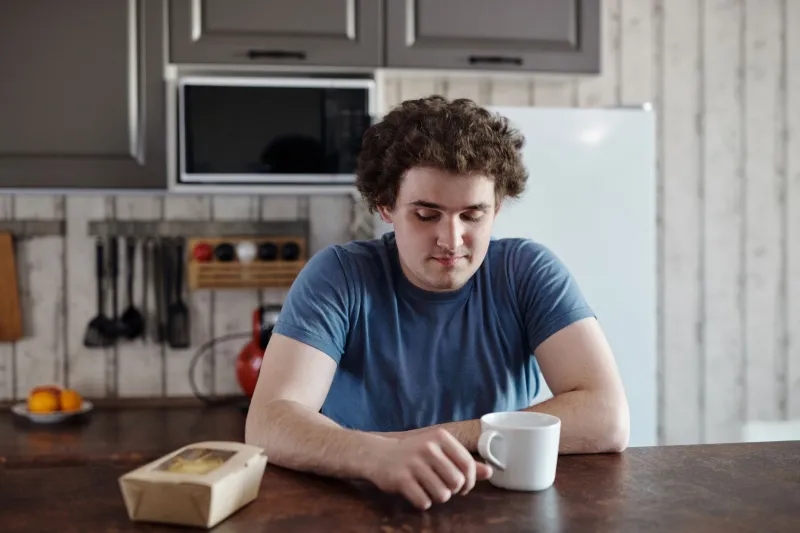
You know the feeling. You walk into your local RSL, clock a particular pokie in the corner, and something just tells you — that's the one tonight. Maybe you've had a good week at work. Maybe you slept well. Maybe you're wearing the same shirt you had on the last time you walked out with a decent payout. Whatever the reason, you're certain. You feel lucky.
Here's the uncomfortable truth: that certainty is one of the most expensive lies your brain tells you.
Australia has one of the highest rates of gambling participation in the world, and a huge chunk of that comes down to the deeply human tendency to trust our gut. But intuition — the kind that works brilliantly when you're reading a room full of people or navigating a tricky negotiation — is almost perfectly useless when it comes to random-outcome games. Understanding why your instincts feel so convincing, even when they're completely wrong, is one of the most valuable things a punter can learn.
The Brain Is a Pattern Machine — Even When There Are No Patterns
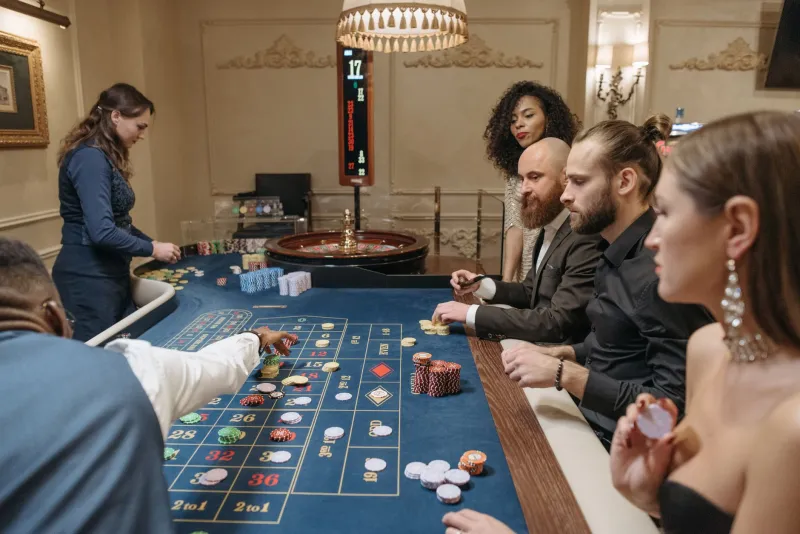
Human brains are wired to find order in chaos. It's an evolutionary feature, not a bug. Thousands of years ago, spotting a pattern in rustling grass meant the difference between predator and breeze. That same pattern-recognition engine is running full-tilt every time you sit down at a pokie or pull up a seat at the blackjack table.
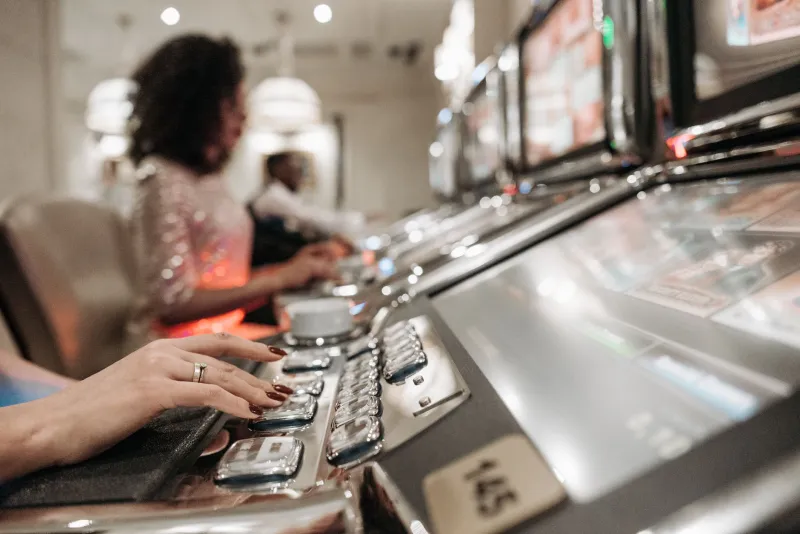
The problem? Pokies and most casino games are designed around genuine randomness. The Random Number Generator (RNG) inside every licensed Australian pokie machine produces outcomes that are statistically independent of every single spin that came before it. The machine doesn't know it hasn't paid out in an hour. It doesn't care that you've been feeding it twenties since the footy ended. Each spin is a fresh event with the same base probabilities.
Your brain, meanwhile, is desperately connecting dots that don't exist. Psychologists call this apophenia — the tendency to perceive meaningful connections between unrelated things. It's the same reason people see faces in clouds or read significance into a run of red on the roulette wheel.
Why 'Hot Machines' Feel So Real
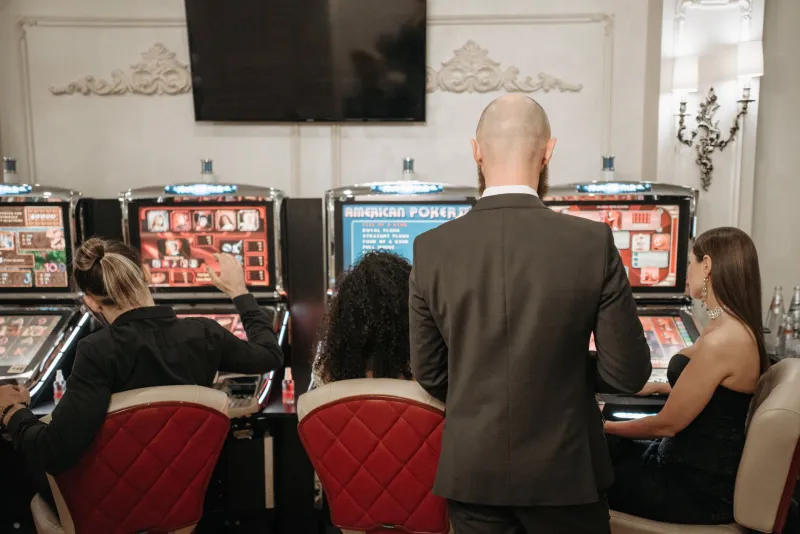
Ask any regular at a suburban Sydney pub or a Melbourne gaming venue and they'll swear they can tell when a machine is running hot. It feels different. The near-misses seem more frequent, the sounds a little more encouraging, the whole vibe more electric.
What's actually happening involves two well-documented cognitive biases working in tandem.
First, there's confirmation bias — you notice and remember the spins that seem to support your theory (a small win here, a near-miss there) and mentally file away the long stretches of nothing as irrelevant noise. Second, there's the gambler's fallacy flipped on its head. Most people know the classic version — the idea that a run of losses makes a win 'due'. The hot machine belief is the mirror image: the idea that a recent win signals momentum, that the machine is in a generous phase.
Neither version reflects how RNGs actually work. But both feel completely rational in the moment, which is exactly what makes them so dangerous.
Personal Rituals and Lucky Charms: Harmless Fun or a Trap?
Aussie punters are a superstitious bunch, and honestly, there's something endearing about it. The lucky footy jersey. Sitting in a specific chair. Tapping the screen a certain way before hitting spin. Avoiding the pokies on Tuesdays because something always goes wrong on Tuesdays.
These rituals feel meaningful because of a psychological principle called illusory control — the belief that our actions can influence outcomes that are actually beyond our control. Research consistently shows that people who perform rituals before random tasks genuinely feel more confident, and that confidence can make the experience more enjoyable.
The catch is that enjoyment and good decision-making aren't the same thing. When your ritual 'works' — when you tap the screen three times and then hit a bonus round — your brain stamps that sequence with significance. It files it under things that cause wins. The hundreds of times you tapped and nothing happened? Quietly forgotten.
Over time, rituals don't just feel harmless — they actively reinforce the illusion that you have more control over the outcome than you do.
Timing, Mood, and the 'Lucky Day' Problem
There's another layer to this worth unpacking: the role of emotional state. Aussie punters often report feeling luckier after positive life events — a promotion, a good weekend, a win in a footy tipping comp. And there's actually a psychological reason this happens.
Positive moods tend to trigger more intuitive, less analytical thinking. When you're feeling good, your brain is more likely to lean into gut feelings and less likely to engage the slower, more deliberate reasoning that might pump the brakes. This is sometimes called affect heuristic — essentially, we use our current emotional state as a shortcut for evaluating risk.
The result: you're most likely to feel lucky precisely when you're least equipped to think critically about your gambling decisions. It's a cruel irony, and the house knows it.
Practical Frameworks to Override Bad Instincts
None of this means you have to stop enjoying a punt. It just means building some guardrails that don't rely on how you feel in the moment. Here are a few approaches that actually work:
Set limits before you arrive, not after you sit down. Decide your session budget and time limit when you're at home, clear-headed, and not caught up in the atmosphere of the venue. Write it down if you have to. Your sober, pre-game self is a better financial advisor than your in-venue self.
Treat each session as isolated. Remind yourself — genuinely, not just as a mantra — that what happened last time has zero bearing on what happens tonight. A win last week isn't a sign of a lucky streak. A loss doesn't mean you're 'due'. Each session starts from scratch.
Audit your rituals. If you have pre-game habits or superstitions, try writing down what you do and why. Then ask yourself honestly: has this actually changed my outcomes, or have I just remembered the times it seemed to work? A bit of self-examination goes a long way.
Use the 'stranger test'. Before making a gambling decision based on instinct, ask yourself: if a complete stranger described this reasoning to me, would I think it made sense? 'I feel lucky tonight because my cat was in a good mood' doesn't survive that test.
Engage Australia's free support tools. If you find that gut feelings are consistently overriding your better judgment and your sessions are getting longer or more expensive, it's worth reaching out to the National Gambling Helpline (1800 858 858) or visiting Gambling Help Online. These services are free, confidential, and genuinely useful.
The Bottom Line
Your instincts are impressive in a lot of areas of life. Gambling just isn't one of them. The cognitive machinery that makes human beings so good at reading situations, predicting social dynamics, and finding patterns in the world is genuinely ill-suited to random-outcome games — and the casino environment is specifically designed to make those instincts work against you.
Feeling lucky isn't a sign that tonight's your night. It's a sign that your brain is doing what brains do. The punters who come out ahead over time — or at least don't come out significantly behind — are the ones who've learned to notice that feeling, acknowledge it, and then make their decisions based on something a bit more reliable than vibes.
That's not taking the fun out of gambling. That's just playing smarter.