Alone at the Machine: Why Aussie Punters Hide Their Gambling Habits Even From Themselves
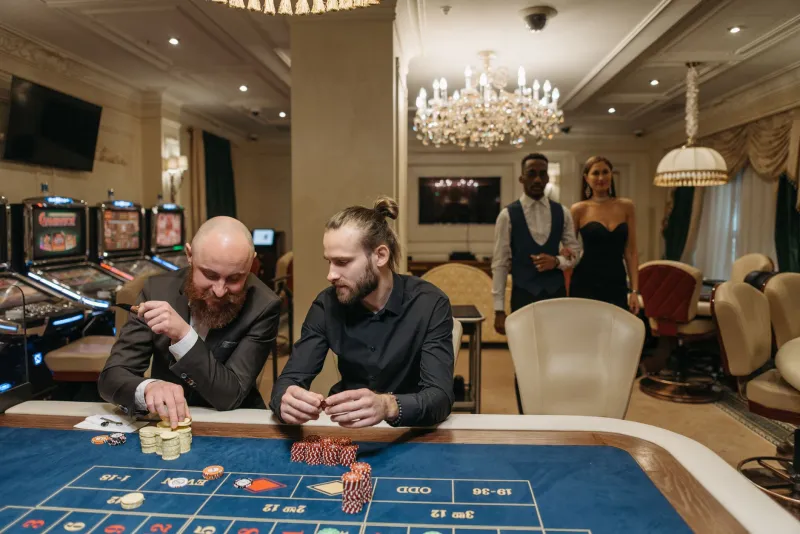
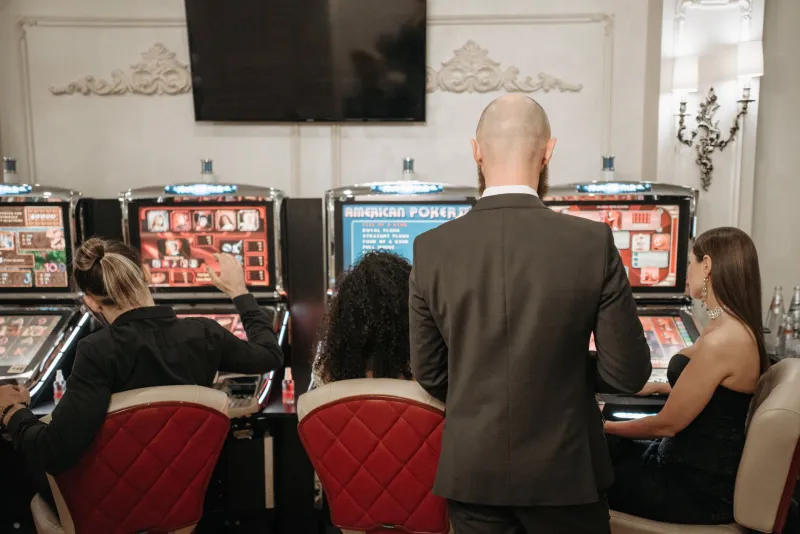
Picture this: it's a Tuesday afternoon, the pub is half-empty, and a bloke is three hours into a session he told his partner would take forty-five minutes. He's not telling anyone how much he's down. He's not texting his mate for a reality check. He's just sitting there, feeding note after note into the machine, completely alone with a habit that's quietly getting away from him.
That scene plays out thousands of times a day across Australia — in pubs, clubs, and online platforms where nobody's watching. And the thing is, that invisibility isn't accidental. For a lot of Aussie punters, gambling alone isn't just a preference. It's a strategy.
A strategy to avoid judgment. To avoid the conversation. To avoid having to explain yourself to anyone.
The Culture of Keeping Schtum
Australians have a complicated relationship with vulnerability. On one hand, we pride ourselves on mateship — looking out for each other, being straight up, not letting your mates down. On the other hand, there's a deeply ingrained cultural expectation that you don't whinge, you don't make it someone else's problem, and you definitely don't admit you're struggling.
That tension sits right at the heart of how Aussies handle gambling losses.
Research from the Australian Gambling Research Centre has consistently found that men — who make up a significant portion of problem gamblers in this country — are far less likely to seek help or disclose gambling problems to people close to them. The reasons aren't complicated: shame, pride, and the very real fear of being seen differently by your crew.
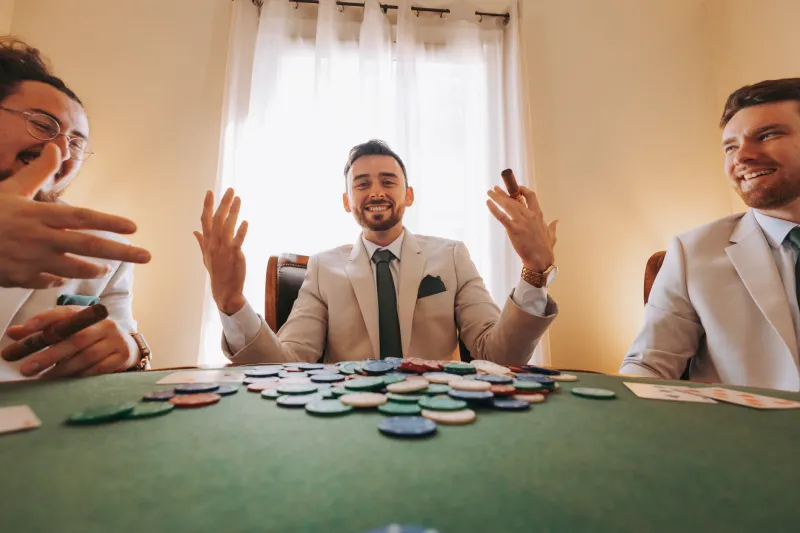
When you're gambling with mates, there's at least some social accountability built in. Someone might raise an eyebrow when you duck off to the ATM for the third time. Someone might make a joke that lands a bit too close to home. But when you're alone? There's no one to notice. And for some punters, that's the whole point.
What Happens When Nobody's Watching
There's a well-documented psychological shift that occurs when people believe they're unobserved. Behavioural researchers call it the "audience effect" — the idea that our behaviour changes meaningfully depending on whether we think others can see us.
For gamblers, this plays out in some pretty specific ways. Solo sessions tend to run longer. Bet sizes creep up. The internal voice that might otherwise say "righto, that's enough" gets quieter, because there's no external mirror reflecting the situation back at you.
Aussie gambling culture amplifies this. We're not a country that talks openly about money — how much we earn, how much we spend, how much we've lost. Admitting a significant gambling loss to a mate isn't just embarrassing; for many people, it feels like a fundamental breach of the unspoken code that says you've got your life sorted.
So instead, people minimise. They shrug off losses with "ah, it was only a few bucks" when it was several hundred. They avoid the topic entirely. They gamble at times and in places where the chances of running into someone they know are lowest.
The Isolation Spiral
Here's where it gets genuinely concerning. That secrecy — which starts as a way of protecting your ego — has a nasty habit of becoming its own kind of trap.
When you're not being honest with the people around you, you lose access to the kind of casual, low-stakes reality checks that can stop a bad habit from becoming a serious problem. A mate saying "mate, you've been at that machine for a while" isn't a clinical intervention — it's just a normal human moment. But it can be enough to break a cycle.
Without those moments, problem gambling tends to escalate faster. The research backs this up: social isolation is one of the strongest predictors of gambling harm intensifying over time. The less connected a person is to honest relationships, the more the gambling fills that void — and the harder it becomes to step back.
And the cruelest part? The shame that drives the secrecy grows with every session. The bigger the losses, the less you want to tell anyone. The less you tell anyone, the more you gamble to chase back what you've lost. Round and round it goes.
Why Asking for Help Feels Un-Australian
It's worth being honest about this part, because it's real and it matters.
For a lot of Aussie blokes especially, calling a helpline or walking into a counselling session carries a weight of stigma that's hard to overstate. It's not just about gambling — it's about what it means to admit you can't handle something on your own. In a culture that valorises toughness and self-sufficiency, reaching out can feel like failure.
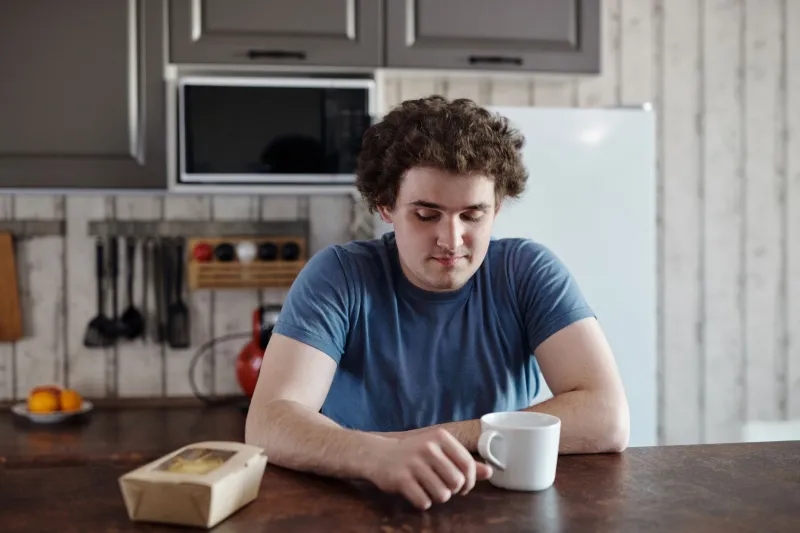
Women aren't immune to this either, though the shape of the shame is often different. Female problem gamblers in Australia frequently describe hiding their gambling from partners and children, gambling online in secret after the kids are in bed, and experiencing profound guilt that compounds rather than motivates them to stop.
The common thread is this: we'd rather carry the weight alone than risk being seen as someone who's lost control.
Breaking the Silence Without Breaking Down
None of this means you need to stand up at the pub and announce your losses to the group. But there are smaller, more manageable ways to puncture the isolation before it gets serious.
Tell one person. Not your whole crew — just one trusted person who isn't going to make it weird. Having even a single honest relationship where gambling comes up takes the pressure off enormously.
Use anonymous tools first if you need to. The Gambling Help Online service (gamblinghelponline.org.au) offers chat and phone support where you don't have to identify yourself. For a lot of people, that's the lowest-stakes way to start being honest.
Set limits before you start, not after. When you gamble alone, the absence of social accountability makes it even more important that you've got hard limits in place. Use the pre-commitment tools available on most Australian gambling platforms and in many venues.
Notice the pattern, not just the session. One solo session isn't a red flag. But if you find yourself consistently choosing to gamble alone, consistently hiding the details from people close to you, and consistently feeling worse rather than better afterward — that's worth paying attention to.
The Mate Effect Goes Both Ways
Here's the flip side of everything we've talked about: the same cultural instinct that makes Aussies hide their gambling problems also makes them fiercely protective of the people they care about.
If you've got a mate who's gone quiet, who's making excuses, who seems to be disappearing into their own world a bit — it might be worth a gentle, no-drama check-in. You don't have to make it a big thing. A simple "you alright?" done with genuine intent is sometimes all it takes to crack the shell a little.
Mateship, when it actually works, is one of the most powerful protective factors against gambling harm. The research is clear on that too. People with strong, honest social connections are significantly more likely to recognise when they have a problem and significantly more likely to do something about it.
The machine doesn't care how long you sit there. Your mates do — even if nobody's saying it out loud.
If you or someone you know is struggling with gambling, free and confidential support is available 24/7 through Gambling Help Online at gamblinghelponline.org.au or by calling 1800 858 858.